Thursday, September 20, 2018

Business and Farming: The Basic Steps of Organizing Your Accounts


If you want to transform your small weekend affair into one of the highly-earning organic stores Manila, then you must know the basics of handling your finances. You won't know if you're making a profit if you don't understand the formula on how to tally your income and expenses. Moreover, you need to put your money in a safe place. You don't want your hard-earned money mixing with the budget you set for your home. It can result in a disaster.

Whether you're in it for the safety of your finances or hoping to grow your keep, you should know the necessary steps of organizing your accounts. Staying organized minimizes mistakes and ensures you're on the path to hitting your targets. Lastly, it can make things easy once you start expanding your business. You won't have to look for receipts, tax records, and other essential documents.

Below are the things you must know when organizing your accounts.


1. You must have a separate bank account.

Your business account should not be the same as the account you use to save for retirement or other big-ticket purchases. You can start by setting up a business checking account. You can also get a business credit card for your business to build credit. At the same time, having a credit card lessens the incidence of mixing business assets and personal buys.

2. Pick the right bank

Don't open an account or transact with the nearest bank in your area. You should survey which bank offers the least fees. Most business checking accounts apply charges higher than most personal bank accounts. You should pay close attention to these, so you don't end up with expensive rates.

3. Learn the items on your financial statements

Your business financial statement shows your company's performance. At the same time, financial statements can be your guide to assessing past performance and managing expectations. These can also be your means of communicating with interested parties. You can reach out to creditors, investors, and analysts through your financial performance.

Accountants are the only ones who can prepare your financial statements. It's easy to leave everything to their hands to ensure you have the papers you need in your hands. However, you must also know which things are part of your statements. That way, you can check if there are wrong entries or discrepancies in your balances.

4. Establish a way for organizing receipts

You should keep all the receipts from all your business transactions. You never know when you might need it. Thus, you should have a system for storing your receipts. You can keep it in an envelope or a box. You can store them in any place as long as you can bring them out when you need them. Also, they must be separate from your family records and other personal papers.


5. Categorize your expenses

When you're running a small business, you can easily mistake a fee from the other. For instance, your family luncheon can be part of your "meals and entertainment" category even when you didn't discuss business the duration of your meal. To separate your expenses, you must first identify the groups they would fall. Separate meals, travel, transportation, utilities, and business-related purchases. Knowing the divisions helps you easily categorize the costs incurred. It also enables you to determine if the fees should be filed under your business or not.

6. Have a bookkeeping system

Bookkeeping is different from accounting. It is the daily process of recording transactions, putting them in the right category, and reconciling bank statements. Meanwhile, accounting makes sense of these records to create the financial statements. Now that things are clear, it's time you determine the bookkeeping method to use.

You can design a system of your own, or you can hire a part-time bookkeeper to oversee your cash flow. Once you have enough revenue, you can have an in-house bookkeeper and an accountant. You also have to determine if you will use the cash or accrual method of accounting.

7. Establish your payroll system

When you have people helping you out or working under you, you must first establish if they are regular employees or a freelancer. You'll need to have a payroll schedule and ensure your paying taxes correctly. Be sure you know how much you spend on each person and that you are providing the right compensation.

8. Know which payment schemes to offer to your customers

You must find different ways to accept payments. You can set up a merchant account or a third party processor. A merchant account is a type of account that enables you to process credit card payments. The payment gateway you choose depends on you and your customers. If most of your customers prefer to use their e-wallet or swipe their cards, then you should have a merchant account or a third party payment processor.


When setting up your business, you should not only think of your products and the overall setup of your store. You should also take care of your accounts, think of how you accept payment, and how you will record your expenses. These tips are your guide to covering the necessary aspect of your accounts. That way, you won't get lost once you move your shop from a weekend farmers market to your official store address.

Friday, September 7, 2018

Business and Farming: The Baby Steps of Joining Weekend Markets


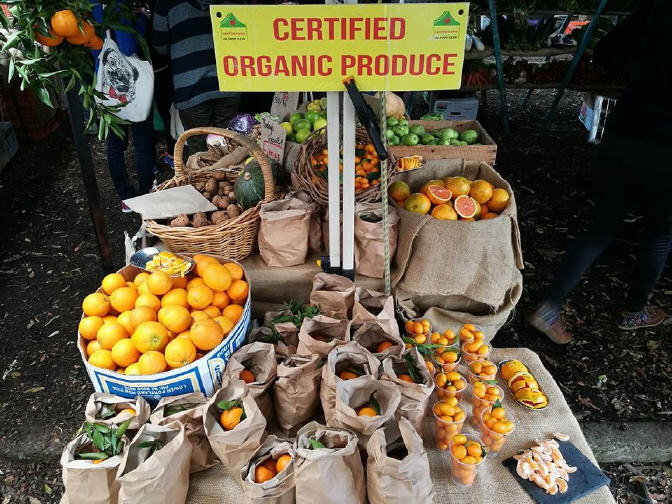
Photo taken by Tomas Anton Escobar

Nowadays, people are becoming smart shoppers. They are expanding their shopping and food options. They become open to the idea of buying their food from organic stores and going to weekend market Manila. They support farmers, small businesses and establishments who are selling organic produce and homegrown products.

Thus, it's an excellent time for farmers to take part in bazaars or weekend markets. Setting up booth helps them connect with customers and showcase their crops while earning more money than usual. But to be successful in starting the business, you must first know a few things. The tips below serves as your guide on how to combine farming with business and start selling.


1. Visit different markets

Not all markets are the same. Before you join one, you must first find a market that fits your needs and helps you accomplish your goals. Taking a look at the bazaars enables you to see if they're a good fit for you.

Each market has a culture and a vibe. Some markets are filled with busy shoppers while others focus on providing a social setting. They have music and activities for kids. If you want to get to know how the market is like, you should talk to other merchants and growers. Recurring shoppers can also give you a sense of how things work in the market.


2. Ask about the rules

Markets have a set of rules for all sellers to follow. You should check in with the organizers to see what types of items are allowed. You can also ask if they provide the tables and booth set-up. Last but the least, you should clear up the selling methods they practice before settling on a particular market.


3. Choose a small market

If it's your first time to be an entrepreneur, you can go ahead with a small market that doesn't require a vendor fee. You should also choose a setup that doesn't need you to invest a lot of equipment. You must first learn about the process, so you're bound to make mistakes. Knowing there is minimal risk ensures your mistakes won't have a negative impact on the business.


4. Be unique

You can find a lot of farmers already selling tomatoes and lettuce. People won't come to you if you have the same products as the rest of the vendors. Instead, you can offer a variety of unique type of produce. You can also try assembling bundles or kits to increase your products' appeal to customers.

You must also differentiate your products. It must be unique to those who see it. It can be different in size, shape or texture but it should come out in a positive light. You should highlight these characteristics to the people who pass by your booth.


5. Do a dry run

Before the actual selling day, you should set up your booth at home to see how it looks. It shows you everything fits helps you spot the areas you can improve.


6. Create a checklist

To ensure you don't leave anything at home, you should list everything you need to bring to the market. The list must contain the items to sell, tools and material you need to set up the booth and displays.

7. Pack the essentials

You'll be out for the whole day and interacting with people. You need the energy to think clearly when someone wants to bargain and to compute the change to give to your customers. Thus, you must have snacks and drinks for you and your team. Having something to quench your thirst and ease your hunger helps you feel comfortable and at ease while working.


8. Put the best products on display

When setting up your display, you should always pick the best ones. Go for the healthy looking vegetables and plump fruits. Avoid those with wilted leaves and bruises. Place your best display in front and center.


9. Stack your items

The arrangement of your items dictates how people perceive them. When you stack your pieces, it creates the illusion of abundance. Of course, people are drawn to things that look good or make them feel good. If you want customers to come to your stall, you should pile the goods instead of laying them out on the table. You can also hang them so shoppers can easily spot what's on sale.


10. Think of presentation

Other than the arrangement of your goods, you should also take note of your decorations. You should try placing tablecloths, trays and a few photos. All of these add interest to your booth. You should consider how customers perceive you. Don't show up in the market with messy hair, torn and dirty clothing. You should wash up and wear comfortable and clean clothing. People appreciate sellers who remain professional. They are also likely to buy from stores with sellers who look sharp and take care of themselves.


Weekend markets and fairs can be your first step to building your business. It can be your chance to find other growers who are interested in partnerships and exchanges. It also an avenue to meet and find loyal customers. To get these, you first must get started, and these tips are what you need to guide your journey. They are the pillars to your farming and entrepreneurial success.

Friday, July 27, 2018

8 Reasons Why Organic Food is Worth The Hype


Are you worried about your health? How about your wellness and overall condition? Do you have an idea on how to take care of yourself?

One way of taking care of your body is by selecting the right food to eat. There are plenty of food sources in a weekend market, but you must be picky when buying your produce. You must select those that offer you the nutrients your body needs to function properly.

Lately, local food stalls and organic market Manila are becoming a popular destination. People prefer to purchase their food stock from these stores. Are they worth the hype? Are these stores worth the visit?

Read on to find if organic food is worth the hype.

1. The produce and livestock are naturally-grown. 


It is healthy and safe to eat organic food. Farmers use natural fertilizers to grow their produce. They also use naturally-derived pesticides to control pests. They use crop rotation, hand weeding, mulching and tilling to control weeds.

Meanwhile, animal raisers provide hormone and GMO (Genetically Modified Organisms also known bioengineered genes) -free feed to their livestock. They prevent diseases through natural methods. They place their livestock in clean houses and ensure the animals have a healthy diet. Most of all, the animals have access to the outdoors.

On the other hand, conventionally-grown produce has chemical fertilizers, pest control, and herbicides. Animal raisers inject growth hormones, antibiotics, and medications to their livestock.
They also provide GMO feed to the animals because it is cheaper compared to organic feed.

2. Organic farming methods reduce pollution.


All-natural farming methods keep the water clean. The run-off water won't contain poisonous and harmful pesticides that won't break down in water. Thus, there won't be chemical deposits into the soil and the waterbed of lakes, rivers, and oceans.

Organic farming methods also increase soil fertility. The absence of pesticides decreases soil contamination. It also maintains the soil's natural structure and acid level.

3. Consumption of organic produce saves the animals.


Organic farming and animal raising methods protect the environment. Consequently, it protects the animals. The natural farming and animal raising methods protect the animals' sources of food and habitat.

The lack of chemicals and pesticides in natural farming minimizes the degradation of the environment. It also educates people on the effects of consuming organic food. People begin to realize the long-term benefits of all-natural, sustainable agricultural methods as they support organic farms.

4. Organic food is fresh.


Most organic produce doesn't contain preservatives. You are sure of their quality because the stock is often available only in small farms where they are raised and grown.

5. It is safe to consume.


Conventional food produce often has hormones and pesticides. These chemicals are poisonous as they are designed to eliminate insects and pests that feed on the crops. At the same time, high levels of sex or growth hormones in animals can contribute to health complications in humans.

People exposed to high levels of these chemicals developing health complication. Pesticides, for instance, can result in neurological problems, infertility,  allergies, and skin problems. It can also cause diarrhea, nausea, and vomiting when ingested. Growth hormones contribute to early puberty in girls and development of different cancer types.

You are sure to be free of worries when you choose organic food since they do not contain artificial and harmful pesticides and GMO.

6. It is has a distinct taste.


Organic food preserves the natural taste of the produce. Since it has a limited shelf life, you can get the most out of its natural flavor.

Organic agricultural produce tastes better than conventional ones because of the quality of the soil. A well-balanced soil produces healthy, strong plants. The health of the plant contributes to the fruit's or the vegetable's outstanding flavors.

7. It is becoming affordable.


Though organic food is slightly more costly than conventional food, it is becoming readily available in the market. As people choose to consume and learn more about organic food, companies will try to meet the demand which will result in better, more competitive prices.

Government and business understand the need for quality and affordable organic food. They are sure to supply the market with quality organic produce once people pick up the trend of buying in co-ops and weekend markets around the city providing all-natural food.

8. It supports local farmers.


Most organic farmers are backyard growers and animal raisers. You can find some in your neighborhood if you live in a small town. If not, you can visit nearby towns or organic stores to discover one that sells the products you need.

When you prefer organic over conventional products, you support the local economy. The profit goes directly to the farmer instead of other channels of distribution. You also minimize costs for transportation and marketing.


These are eight of the compelling reasons why buying and consuming organic food is worth your time and health. Good health is an investment, so you need to discern your food sources. High-quality organic food provides the nutrients your body needs while saving the environment. Think of these benefits to get the most value when grocery shopping.


Image Source

Wednesday, July 11, 2018

10 Eco-Friendly Friendly Products for a Chic, Sustainable Lifestyle


Buying eco-friendly products is one way to save the Earth. These items are safe for the environment as they are either biodegradable or have a long staying power. They are also made of Earth-friendly material and are non-toxic. Several organic store Manila have these items to encourage consumers to spend and consume ethically.

1. Eco Bag

First, the average plastic bag takes 15 to a thousand years to decompose. It can clog landfills, pipes and damage bodies of water. Pieces of plastic are the most common cause of death of sea creatures as they resemble plankton or a jellyfish. The cost of recycling plastic is high, so most people dump them on the landfill.

An "eco bag" or reusable bags are made of cloth. The sewn bag is durable. It can carry more weight than a plastic bag. It also encourages quick bagging during checkout. Most, of all it is washable.

2. Metal Straws

According to the Pocholo Espina, the Chief Executive of Sip PH, "Straws are the third most pollutants you can find during coastal cleanups." Using a metal straw does not only reduce personal plastic consumption. It also reduces waste that goes into the ocean and other bodies of water.

There is the standard metal straight one, straw with a bend, and the "milk tea" straw for bubble teas. A set comes with a flexible brush with tiny bristles to clean the inside of the metal.

4. Mesh shopping bags

Mesh shopping bags are stylish. You must have one if you are an eco-warrior. The see-through produce bag is made of biodegradable cotton to keep you stylish while shopping for fruits, flea-market finds, and vegetables. Is a canvas bag is bulky, mesh shopping bags are a viable alternative.

5. Preloved Clothes

Fashion fades, but a person's style is eternal. Why not purchase old clothes from garage sales and online stores? Give life to the sellers old faves by dressing them up according to your own style.

There are several hidden gems when scouring consignment stores, bazaars and other local standees. Opt for these instead of the mass-produced products of the fast fashion industry.

6. Plants

Plants are free. Place a seed into the ground and voila! You have a  source of garnish, insect repellant or spice. Most of all, you have an oxygen factory and a toxin zapper.

Plants thrive in carbon dioxide and toxins from people, animals, vehicles, and other devices. They save other beings from lack of oxygen. They also prevent soil erosion. Plus, flowering plants beautify the area!

7. Bamboo Toothbrush

A bamboo toothbrush uses natural bamboo wood handle while its bristles are nylon infused with charcoal. The handle breaks down in eight months. Remove the brush using pliers to use the handle as compost. The brush is also BPA (bisphenol A - used to make plastics and resins) free! It is genuinely a double-duty product.

8. Konjac Sponge

A Konjac sponge is small and made of veggie fibers, but they are perfect for exfoliating the sensitive skin of the face. The sponge comes in pastel colors with the combination and natural infusions of bamboo, green tea, charcoal, and other biodegradable materials.

9. All-Natural Body Care Products

Choose organic, plant-based treatments for your hair, skin, and teeth. The body reacts to phytonutrients, especially when layering each product. Plant and herb treatments have actives that support our energy and the planet.

10. Wooden Spoons

Wooden Spoons are versatile, practical and they almost last for a lifetime. They are insulators. It minimizes burns and scalding accidents when cooking (and eating). It is durable. It can stir and scrape things without breaking. But, it's not hard enough to scratch non-stick pans and other surfaces.


Living an eco-friendly sustainable lifestyle should not be alienating. It should not only be for people who can afford it. It must be for everyone. Take your part to save the Earth. Try not to be wasteful or a waste contributor by using these products.


Image Source

Friday, June 22, 2018

Green Cities: A Liveable and Sustainable Place to Live

new york city, street, buildings, trees, urban life, lifestyle, green cities


Urban planning is essential especially since people's lifestyle shifts from the jet-setter to wellness. Land development and environment merge with urbanization, which integral in the modern world. Various real estate properties in the Philippines come up with clean, healthy, efficient, and sustainable architecture to provide an affordable house in Cagayan de Oro.

Creating an eco-friendly environment is a step towards the improvement of real estate in the Philippines. Developers begin to stay away from destructive practices of building a community with the conveniences of a house and lot for sale Cagayan de Oro. They keep making green cities a top priority for habitable and sustainable development.


Clean and Healthy


Future homes must be clean and safe. It must also maintain its state so its inhabitants can have access to clean and safe drinking water, effective wastewater treatment, fresh air, and efficient waste disposal systems. These are the essential elements of a community.

At the same time, these elements contribute to the high quality of life in a city. These qualifications make a city liveable, despite the continuous evolution of the metropolis that is vastly happening. Thus, a development must maintain a two-way approach to keep a clean and safe area. The green and eco-centered establishments must push and influence its neighboring communities to follow its path to revolutionizing green real estate.

The two-way approach also involves its homeowners and property owners. They must spearhead the changes in policies and community guidelines to keep their place clean and safe.


Green and Pleasant


Green doesn't only translate to cleanliness. It is also part of a quiet and serene oasis. An ideal green environment has open spaces, quiet streets, and recreational parks aimed towards the citizens' relaxation, health, and social activities. These developments encourage sports, nature watching and social events.

Quiet places are essential in urban cities to minimize stress from the environmental noise, one of the sources of anxiety to city-dwellers. The sounds come from the increasing demand for mobility through vehicles. The volume of cars, trains, and planes in developing areas cause a level of noise considered as pollution.

Real estate developers in the Philippines and government agencies build more properties catering to a market of homebuyers and property seekers who value green and pleasant advocacy. These buyers want open areas and green parks despite living in an urban environment.


Efficient and Sustainable


Living in an ideal community is a place with resources at the plan of your hands. Energy and water should not be sources of stress for folks who wish to stay in a place for the rest of their lives. The development must be an area of sustainability to prevent problems in the long run.

Research excellent properties and developers who can give provide the service and expectations that you want. These firms satisfy their clients as they push for environmentally friendly homes. Realty corporations apply proper engineering and architectural strategies to achieve sustainability and construction efficiency.

As a property seeker, you must aim for an affordable yet high-quality home at CDO. Modern, durable houses often use recycled products that passed quality control and international standards. Thus, most recycled construction materials last more than traditional products.

Utilizing durable materials in construction spends less time and money during property maintenance. Effectively cutting costs and maximizing the use of resources is the key to an efficient and sustainable real estate development.

Well-Managed and Democratic


An urbanized location is well-governed. It enables citizens in environmental decision-making. Democracy becomes the basis of the law and welfare management of the community.

A comfortable place to live is under proper management. The governing council or sector finds ways to protect its communities. Safety is one reason why a person buys a property, with the location as its second item on the list. Real estate developers must look at these points to figure out their priorities for their customers.

Green cities bring out the best in people and its location. Therefore, developers must be mindful of starting eco-living for a well-managed community. Most of all, they must involve their homeowners in decision-making and household management to capitalize the quality of the area.

Green Cities Raise Home Value

These are some of the reasons green cities are the best for family and retirement life despite being urbanized. Home values in these cities are twice the traditional setup because of their eco-friendly houses and set up. The quality and sustainability of the materials and other home features lower utility bills and emit less toxin in the air improving the quality of the lives of homeowners.

Constructing, maintaining, and raising the value if a green community is and always two-way stream. Cooperation between home and property owners, developers and the government is the key to fostering helping hands to a live a little longer in a house and lot for sale in CDO.

Image source: 1, 2

Wednesday, May 23, 2018

Using 5S in Home Decluttering


5S stands for five Japanese words prominent in Japan's production and manufacturing lines. It is a methodology stemming from Toyota's Production System aiming to maximize efficiency and quality. Fortunately, the practice isn't limited to the manufacturing and production. It also applies to other industries such as UX, graphic design, admin work, management systems like home decluttering.

Home decluttering won't amount to profit, but it is work done at home. Applying the 5S principle in your home makes household items accessible and clears the area of unwanted items. The philosophy of 5S enables you to redecorate and rearrange the stuff in your home based on your liking. Moreover, it allows you gain more space to maximize movement and function of each nook and cranny. Using 5S in decluttering benefits homes with limited floor area. A condo unit at Avida Towers Cloverleaf will appear twice its size when each item is in its proper place.

The 5S Philosophy

Seiri, seiton, seiso, seiketsu and shitsuke makes up the 5S philosophy by Sakichi Toyoda. These Japanese words comprise the steps of managing and organizing each aspect of your home. They also have an English counterpart which is the literal translation of each word. Thus, it is easy to apply the concept and follow its flow.

1. Sort

Seiri means 'to sort.' Sorting is a strategy toward the visual organization and maintaining order in the working area. Sorting is not the same as rearranging home items by location. The process involves segregating your thing by the frequency of use. You can also separate the stuff by its use. Use tags to mark your items or place them in bins with labels. That way, you know where to put them afterward.

If you plan to use tags, you can follow a color scheme. Use red markers for rarely used or unnecessary home items and green for those which frequently catch the light of the day. When using a bin, you must label it based on use and importance or relevance to daily living.

2. Set in order

Seiton is all about 'setting in order.' Once you identify your stuff through sorting, you can proceed to place them in order. You can store appliances and household objects you seldom use at the back of cupboard, drawers or overhead storages. Meanwhile, those essential to everyday living and activities are best on open-shelving, multi-use furniture, and surfaces. Cleaning agents and tools, reference books, school or office supplies, cooking utensils, and spices are some home items you must store within sight or easy-to-reach spaces. Doing so reduces the time spent on looking for them. However, don't forget to apply caution. Chemicals and other harmful materials such as sharp cutting tools must be out of children's reach.


3. Shine

' To shine' or seiso involves deep cleaning. However, cleaning won't only apply after the initial sorting and setting things in order. It must be consistent. You must keep parts of your home neat after each use. Polish your tools, sweep and mop the floor, wipe each surface to keep everything in order. Remember to inspect the condition of your devices and the workplace to attend to repairs and defects.

4. Standardize

The next step is seiketsu or 'to standardize' the method of sorting and tidying after finding a place for your home items and cleaning them until they shine. You must establish a standard to help you formulate rules to employ the 3S effectively. Involve each person in your household when creating standards and securing the location of each item. You can also implement other visual management ideas to ensure each person contributes to the upkeep.

5. Sustain

The last part of 5S is shitsuke. For 5S to become active, you must sustain the procedures of order and neatness. You and your family must be consistent in the process of sorting, organizing, and cleaning to keep the state of your environment. Maintaining the habit helps you refine the steps and discover innovative ideas to keep clutter out of your home.

The Dual Nature of the 5S Philosophy

The process of 5S is a way to declutter and instill discipline within the household. Your home becomes an eco-friendly environment when you learn to store the items required for daily sustenance. Each member of the family will minimize harboring unnecessary items and save your home's spaces for the essential stuff for everyday life. The habit makes your home easy to maintain and decorate.

A clutter-free, tidy space is also visually appealing. It grants the viewer a peace of mind which opens different possibilities for different home layout.

Friday, April 27, 2018

Beautiful Indoor Plants for a Good Night's Sleep


Plants are the most underrated home decorations. Most homeowners forget that living greens aren't only perfect to fill empty spaces. They also carry benefits. They clear the air of toxins, release a fresh batch of oxygen, and retain room temperature. Some species of plants are only alive at night which provides restful sleep. Moreover, adding plants to your home encourages a green environment.

If you are looking for bedroom decors, then you must include plants on the list. Below are some species of plants you can nurture indoors if you want an extended shut-eye. You can purchase a pot of garden shops or plant boutiques at Ayala Malls Cloverleaf. Have fun checking out these plants and learning how to care for them

Aloe Vera


Aloe vera is a favorite medicinal plant and succulent. Its leaf produces a gel used as a remedy for several skin conditions, e.g., burn, sunburn, frostbite, cold sores and, psoriasis. It releases oxygen at night which increases the oxygen levels in your bedroom. Those with asthma, heart conditions and pulmonary diseases can benefit from the high levels of oxygen while sleeping.

Care Tips:

1. Aloe vera must be in a cactus potting soil. Regular potting soil works as long as you add perlite or building sand.

2. Place it on a surface with bright light.

3. Water it when the soil is parched.


Chinese Evergreen


One of NASA's approved indoor house plants, Chinese evergreen is tropical plant thriving in humid air. It has tiny red berries which break of the lush green hue of its leaves. It emits high oxygen content and absorbs chemicals such as benzene and formaldehyde.

Care Tips:
1. Chinese evergreen is best on a well-draining soil which is an equal mix of fertilized soil, perlite, and sand.

2. Spray water on its leaves especially when the air is dry.

3. Avoid overwatering to prevent root rots.

4. Fertilize old plants once or twice a year using water-soluble houseplant fertilizer.

5. Trim its parts once it gets large or leggy.

6. Save the cuttings in water to propagate new plants.


English Ivy


Ivy, the common name of the genus Hedera, is a plant that crawls along the ground, tree, or wall to access sunlight. English Ivy is known to treat inflammation issues in the body. It can also relieve irritation and other skin conditions due to its anti-bacterial properties. Hanging the climbing vine in your sleeping quarters eliminates airborne mold. Thus, you can minimize acquiring of respiratory tract congestion.

Care Tips:
1. Hang the ivy in corners with low light or filtered bright light. This prevents the plant from drying up.

2. Keep the room temperature stable.

3. Water it on a regular basis as growth accelerates in a moist environment.

4. Trim the long stems that have few leaves to support its growth.


Jasmine


There are hundreds of species of Jasmine, and they have one thing in common. Their scent decrease anxiety levels which can help people struggling with depression. The aroma also allows people unwind before heading to bed. Its flowers are also aesthetically pleasing. It has five to eight petals that unfold to form a star. Having a plant in your home saves you from expensive doctor's fees as each of its parts can be used to cure ailments and fight illnesses.

Care Tips:


1. Jasmine needs soil combined with bark, coir, and other organic materials.

2. It can tolerate direct sunlight along with cold temperature. Place them near the windows during spring and fall. Lessen sun exposure during winter.

3. Prune your plant to keep under control.

4. Repot during springtime. 


Rubber Plant


Rubber plants have large leaves that absorb high quantities of air contaminants. They can stand up to 50 feet. The plant directs pollutants to the soil so microbes can break them down and deposit them in the ground. Hence, it provides its nutrients while improving the quality of air in the area.

Care Tips:

1. The rubber plant must be in a shadowy area. That way, it won't be hot for the temperature won't be too hot for the plant.

2. Its soil must be moist especially during the growth stage.

3. Wipe its leaves with a damp cloth or spritz it with water.

4. Water it once or twice a month during dormant stage. Increase the amount of water once its leaves start to droop.


Snake Plant


Snake Plant, also known as "Mother-in-Law's Tongue," converts carbon dioxide to oxygen during night time. It is one of the three houseplants that can filter the air while you sleep. Besides formaldehyde and benzene, it also takes in trichloroethylene, xylene, and toluene. A potted plant for each person is sure to reduce respiratory problems and headaches from waking up.

Care Tips:

1. Snake plants prefer a dry environment. Allow its soil to dry between waterings.

2. Position them in areas with no sunlight.

3. Propagate it through leaf cuttings and place it on land an inch deep.


Indoor plants are low on maintenance, so there's no reason for you to skip them. They are perfect people who don't have the luxury to tend to their greens. Think of the benefits of a well-oxygenated bedroom before passing up on a pot or two.

Image Source: 1, 2, 3, 4, 5 ,6

Healthy Lifestyles: Five Compelling Reasons to Go Organic

“To keep the body in good health is a duty…otherwise we shall not be able to keep our mind strong and clear.” –Gautama Buddha Hav...