Showing posts with label environmentally-friendly. Show all posts

Thursday, January 17, 2019

Healthy Lifestyles: Five Compelling Reasons to Go Organic


“To keep the body in good health is a duty…otherwise we shall not be able to keep our mind strong and clear.” –Gautama Buddha

Have you ever given much thought about what you eat? Did you ever stop to think about the ingredients of the food you are consuming every day? Were they sourced? Are they natural or organic? Or are they heavily laden with chemicals and preservatives?
These are the things we should constantly ask ourselves if we want to maintain and keep a healthy lifestyle. Having a blasé attitude towards what you eat would eventually lead to future consequences. Sure, that salad might not look so appetizing today but choosing that over flavored chips can make all the difference between a healthy geriatric life and one that would potentially have you visiting doctors on a monthly basis. Unfortunately, going organic is not an easy decision—particularly because chemically laden food items have always been the norm and it can be rather difficult to adapt to this change. However, if we truly want a healthier lifestyle we have to commit to choosing organic over conventional food products.
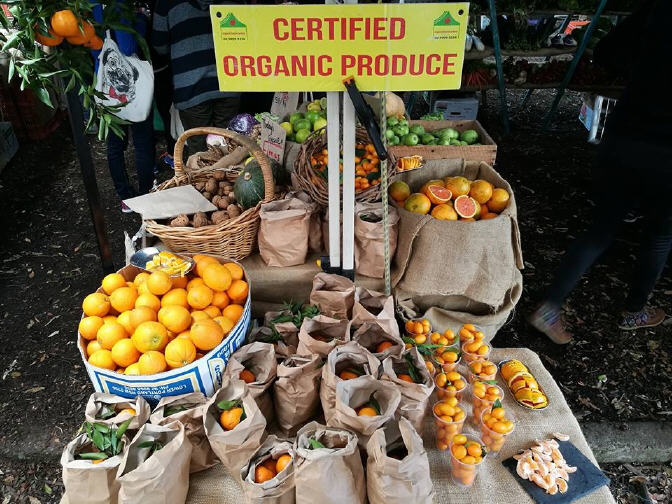
Unfortunately, going organic is not as easy as everyone might think. Apart from the marked difference in food flavor, organic food products are a lot pricier than their conventional counterparts. However, price point aside, going organic has been shown to have a myriad of benefits and advantages that it significantly outweighs the higher cost. After all, you really cannot put a price tag on your health. So, think of going organic as a long-term investment on a healthier lifestyle. In this regard, you can even see the greater price as an offset to exorbitant medical and clinical fees had you insisted to keep your conventional diet. If you had been contemplating of going organic for a while now, perhaps you should visit the Weekend Market in Manila and take a look at their organic offerings.
In any case, here are some of the excellent reasons why you should go organic:


You do not deal with chemicals

If you choose to organic, you will only be dealing with dirt—not chemicals. Of course, dirt is an inevitable consequence of having natural and organic food. However, while you might be able to wash the dirt off of conventional food, it is not enough to remove the waxy residue, chemicals and other pesticides that might have embedded themselves in your food. Conventional farming uses synthetic pesticides. Studies have shown that the consumption of such food can lead to chronic diseases and health conditions with long-term exposure.


Nutritionally Sound

A common misconception among consumers is that you get about the same amount of nutrients from food regardless of whether they are sourced organically or conventionally. However, studies have shown that organic food tends to deliver thirty percent more vitamins and nutrients than their conventional counterparts. This is because chemicals such as insecticides, fungicides and herbicides can block a plant’s ability to create nutrients.


Better Taste

If you have always believed that all food taste the same whether they are sourced conventionally or organically then prepare to have your mindset changed. Organic food items have been shown to be more flavorful than their organic counterparts because the latter does not have as much antioxidants. More importantly, higher levels of synthetic fertilizers in conventional sourcing of food compromises soil quality which can eventually stress the plant and significantly impact its resulting taste.


No to GMOs

Genetically modified organisms (GMOs for brevity) make up a huge fraction of the most common crops in the world today. Over the years, people have been encouraged to avoid GMO as research has heavily alluded to its potentially harmful effects. To ensure that you do not buy any GMO products, buy only organic.


Promote humane treatment of animals

More often than not, conventional livestock are sourced from farms that practice inhumane and confined conditions. More importantly, they are constantly pumped with synthetic hormones to increase production and keep up with the consumer demand. Unfortunately, these stressful conditions coupled with the inhuman treatment can cause a significant decline in the animal’s health and quality of life. Organically sourced products—while more expensive—have access to the outdoors and are kept in human treatment.


Thursday, December 6, 2018

Sustainable Cities: Four Ways to Go Green in the Community


“A sustainable human community is designed in such a manner that its ways of life, technologies, and social institutions honor, support, and cooperate with nature’s inherent ability to sustain life.” –Fritjof Capra

How often have you seen people on your social media news feed publicly denounce the careless regard humankind has for its surroundings? While we are at that, how many of you have noticed the emergent popularity of metal and biodegradable straws?

These recent turn of events did not just happen overnight. It is a testament to the fact that more and more people are becoming self-aware about the growing problem in environmental sustainability. Indeed, sustainable living has certainly become somewhat of a buzz phrase. With this in mind, more people are looking at the ways they can mitigate their ecological footprint by driving less and using fewer plastic materials among many more. However, if you are blissfully unaware, to you this might seem like a fad. But, if you had paid any heed to the growing problem in sustainability—a pressing environmental concern—you would notice that the ban on single-use plastics is more than just a movement, but a lifestyle. It is no question that if we wish to make this world habitable for the next generation, we should make a conscious effort in reducing our carbon footprint. While some might argue that this recent advocacy in sustainability is merely a gimmick—a passing trend—this mounting environmental problem should be a cause for concern and as a result, should be taken seriously. Sustainability is more than just the usage of metal straws; it is a lifelong commitment to lead a lifestyle that mitigates your impact on nature and the environment. It means favoring shops that practice eco-culture and sustainability over those that do not. It means going that extra mile to ensure that you are using as little of nature’s resources as possible. It might be a major cause for inconvenience to some, but what little you can do will eventually culminate in a significant contribution to a greener and more sustainable earth. Remember, just as the saying goes, it might be only one straw or piece of plastic to you but imagine the impact that would have on the world if a million more people said the same thing? 

However, going green goes beyond the individualistic lifestyles we lead. Whether we live in Avida Settings Alviera or elsewhere, it is imperative to involve our communities for a more concerted effort in sustainable living---and you might just make a friend while you are at it. In any case, here are some of the ways you can go green in the community:

Buy Local

More often than not, we tend to shop in the bigger cities under the impression that big cities tend to have more products than the ones we have in our local community. However, shopping in bigger cities constrains you to use gas mileage, so opt for the alternative of shopping locally. Apart from reducing food miles, it keeps local resources circulating within the community. More importantly, it encourages you to get to know your neighbors and socialize with them. Plus, it allows you to have a conversation with the person who sourced your food which gives you a better insight as to how it was grown.

Rethink the way you travel


Instead of reaching for the car keys immediately when you are heading out, try to think if there are alternatives where you can reduce your individual carbon footprint. Is the distance between your destination and your point of origin realistically walkable? Can you commute or carpool? Or better yet, do you have a bicycle which you can ride going there? Learn to assimilate with your community and interact with the locals by taking the local public transport. After all, it is so much easier for people to strike up a conversation with you and vice versa when you are not inside a car.

Reconnect with your neighbors


Sometimes, all it takes is a single passionate individual to inspire a joint movement and see significant changes. Unfortunately, we tend to be so disconnected from our communities and neighbors that spreading the word about your environmental advocacy might be a little daunting at first. In this regard, it is best to reconnect with the people you live in proximity with. If you wish to have a greener community, you need to take part in it, and at times, you might even need to inspire it. Talk to your neighbors and get the general idea of what is going on around you and start getting involved. After all, it might only take a single idea to effect change.

Spread the word


Although you cannot realistically expect everyone to share your views and advocacy, people are increasingly curious about living green. And much like anything that effectuates change, it starts with education. More importantly, most of your neighbors might view your lifestyle as unconventional and might want to do the same thing—especially if they see you bike to work, buy local organic produce and do your own compost. More often than not, it starts with a handful of interested and curious individuals who would want to try it themselves. Show them and teach them how. However, be careful so as not to be too preachy about your advocacy. After all, nothing turns people off a particular movement more than a pushy individual who is slamming their beliefs down their throats. Be careful in your approach, encourage and inspire without judgment. People can either take it or leave it, but do not try and convince them otherwise if they have already heard your piece and decided it was not for them.  


Friday, July 27, 2018

8 Reasons Why Organic Food is Worth The Hype


Are you worried about your health? How about your wellness and overall condition? Do you have an idea on how to take care of yourself?

One way of taking care of your body is by selecting the right food to eat. There are plenty of food sources in a weekend market, but you must be picky when buying your produce. You must select those that offer you the nutrients your body needs to function properly.

Lately, local food stalls and organic market Manila are becoming a popular destination. People prefer to purchase their food stock from these stores. Are they worth the hype? Are these stores worth the visit?

Read on to find if organic food is worth the hype.

1. The produce and livestock are naturally-grown. 


It is healthy and safe to eat organic food. Farmers use natural fertilizers to grow their produce. They also use naturally-derived pesticides to control pests. They use crop rotation, hand weeding, mulching and tilling to control weeds.

Meanwhile, animal raisers provide hormone and GMO (Genetically Modified Organisms also known bioengineered genes) -free feed to their livestock. They prevent diseases through natural methods. They place their livestock in clean houses and ensure the animals have a healthy diet. Most of all, the animals have access to the outdoors.

On the other hand, conventionally-grown produce has chemical fertilizers, pest control, and herbicides. Animal raisers inject growth hormones, antibiotics, and medications to their livestock.
They also provide GMO feed to the animals because it is cheaper compared to organic feed.

2. Organic farming methods reduce pollution.


All-natural farming methods keep the water clean. The run-off water won't contain poisonous and harmful pesticides that won't break down in water. Thus, there won't be chemical deposits into the soil and the waterbed of lakes, rivers, and oceans.

Organic farming methods also increase soil fertility. The absence of pesticides decreases soil contamination. It also maintains the soil's natural structure and acid level.

3. Consumption of organic produce saves the animals.


Organic farming and animal raising methods protect the environment. Consequently, it protects the animals. The natural farming and animal raising methods protect the animals' sources of food and habitat.

The lack of chemicals and pesticides in natural farming minimizes the degradation of the environment. It also educates people on the effects of consuming organic food. People begin to realize the long-term benefits of all-natural, sustainable agricultural methods as they support organic farms.

4. Organic food is fresh.


Most organic produce doesn't contain preservatives. You are sure of their quality because the stock is often available only in small farms where they are raised and grown.

5. It is safe to consume.


Conventional food produce often has hormones and pesticides. These chemicals are poisonous as they are designed to eliminate insects and pests that feed on the crops. At the same time, high levels of sex or growth hormones in animals can contribute to health complications in humans.

People exposed to high levels of these chemicals developing health complication. Pesticides, for instance, can result in neurological problems, infertility,  allergies, and skin problems. It can also cause diarrhea, nausea, and vomiting when ingested. Growth hormones contribute to early puberty in girls and development of different cancer types.

You are sure to be free of worries when you choose organic food since they do not contain artificial and harmful pesticides and GMO.

6. It is has a distinct taste.


Organic food preserves the natural taste of the produce. Since it has a limited shelf life, you can get the most out of its natural flavor.

Organic agricultural produce tastes better than conventional ones because of the quality of the soil. A well-balanced soil produces healthy, strong plants. The health of the plant contributes to the fruit's or the vegetable's outstanding flavors.

7. It is becoming affordable.


Though organic food is slightly more costly than conventional food, it is becoming readily available in the market. As people choose to consume and learn more about organic food, companies will try to meet the demand which will result in better, more competitive prices.

Government and business understand the need for quality and affordable organic food. They are sure to supply the market with quality organic produce once people pick up the trend of buying in co-ops and weekend markets around the city providing all-natural food.

8. It supports local farmers.


Most organic farmers are backyard growers and animal raisers. You can find some in your neighborhood if you live in a small town. If not, you can visit nearby towns or organic stores to discover one that sells the products you need.

When you prefer organic over conventional products, you support the local economy. The profit goes directly to the farmer instead of other channels of distribution. You also minimize costs for transportation and marketing.


These are eight of the compelling reasons why buying and consuming organic food is worth your time and health. Good health is an investment, so you need to discern your food sources. High-quality organic food provides the nutrients your body needs while saving the environment. Think of these benefits to get the most value when grocery shopping.


Image Source

Friday, June 22, 2018

Green Cities: A Liveable and Sustainable Place to Live

new york city, street, buildings, trees, urban life, lifestyle, green cities


Urban planning is essential especially since people's lifestyle shifts from the jet-setter to wellness. Land development and environment merge with urbanization, which integral in the modern world. Various real estate properties in the Philippines come up with clean, healthy, efficient, and sustainable architecture to provide an affordable house in Cagayan de Oro.

Creating an eco-friendly environment is a step towards the improvement of real estate in the Philippines. Developers begin to stay away from destructive practices of building a community with the conveniences of a house and lot for sale Cagayan de Oro. They keep making green cities a top priority for habitable and sustainable development.


Clean and Healthy


Future homes must be clean and safe. It must also maintain its state so its inhabitants can have access to clean and safe drinking water, effective wastewater treatment, fresh air, and efficient waste disposal systems. These are the essential elements of a community.

At the same time, these elements contribute to the high quality of life in a city. These qualifications make a city liveable, despite the continuous evolution of the metropolis that is vastly happening. Thus, a development must maintain a two-way approach to keep a clean and safe area. The green and eco-centered establishments must push and influence its neighboring communities to follow its path to revolutionizing green real estate.

The two-way approach also involves its homeowners and property owners. They must spearhead the changes in policies and community guidelines to keep their place clean and safe.


Green and Pleasant


Green doesn't only translate to cleanliness. It is also part of a quiet and serene oasis. An ideal green environment has open spaces, quiet streets, and recreational parks aimed towards the citizens' relaxation, health, and social activities. These developments encourage sports, nature watching and social events.

Quiet places are essential in urban cities to minimize stress from the environmental noise, one of the sources of anxiety to city-dwellers. The sounds come from the increasing demand for mobility through vehicles. The volume of cars, trains, and planes in developing areas cause a level of noise considered as pollution.

Real estate developers in the Philippines and government agencies build more properties catering to a market of homebuyers and property seekers who value green and pleasant advocacy. These buyers want open areas and green parks despite living in an urban environment.


Efficient and Sustainable


Living in an ideal community is a place with resources at the plan of your hands. Energy and water should not be sources of stress for folks who wish to stay in a place for the rest of their lives. The development must be an area of sustainability to prevent problems in the long run.

Research excellent properties and developers who can give provide the service and expectations that you want. These firms satisfy their clients as they push for environmentally friendly homes. Realty corporations apply proper engineering and architectural strategies to achieve sustainability and construction efficiency.

As a property seeker, you must aim for an affordable yet high-quality home at CDO. Modern, durable houses often use recycled products that passed quality control and international standards. Thus, most recycled construction materials last more than traditional products.

Utilizing durable materials in construction spends less time and money during property maintenance. Effectively cutting costs and maximizing the use of resources is the key to an efficient and sustainable real estate development.

Well-Managed and Democratic


An urbanized location is well-governed. It enables citizens in environmental decision-making. Democracy becomes the basis of the law and welfare management of the community.

A comfortable place to live is under proper management. The governing council or sector finds ways to protect its communities. Safety is one reason why a person buys a property, with the location as its second item on the list. Real estate developers must look at these points to figure out their priorities for their customers.

Green cities bring out the best in people and its location. Therefore, developers must be mindful of starting eco-living for a well-managed community. Most of all, they must involve their homeowners in decision-making and household management to capitalize the quality of the area.

Green Cities Raise Home Value

These are some of the reasons green cities are the best for family and retirement life despite being urbanized. Home values in these cities are twice the traditional setup because of their eco-friendly houses and set up. The quality and sustainability of the materials and other home features lower utility bills and emit less toxin in the air improving the quality of the lives of homeowners.

Constructing, maintaining, and raising the value if a green community is and always two-way stream. Cooperation between home and property owners, developers and the government is the key to fostering helping hands to a live a little longer in a house and lot for sale in CDO.

Image source: 1, 2

Monday, August 4, 2014

Green Weddings 101: How to Make Your Wedding Eco-Friendly (Part 3)

We’ve discussed in the second part how you can plan a green wedding including invitation, attire, reception, flowers, décors, gifts and parties. Finally, we will look into food, ceremony, jewelry, makeup, photography, favors, transportation and honeymoon. For food, the emphasis is on choosing the best catering services in Philippines. Again, here are some practicalities that will keep your sanity and creativity at the same time.

Food


Food can affect the sustainability of any green wedding. One of the common practices is having local growers as food suppliers, thereby eliminating the amount of chemicals used in producing and the amount of emissions released in transporting.

Green caterers frequently have contacts with local suppliers whom they can work with in adding organic elements on the food where possible. Some couples request their caterers to customize the menu and make it more vegan or vegetarian.

Find the wedding caterer who can pick the best seasonal fruits and ingredients for you because you might not be able to taste test them ahead of time. Local produce needs lesser fridge time and lesser packaging thereby producing lesser wastage.  

The same goes with the wedding cake wherein organic, in-season ingredients are used in reducing chemical use further. So, there is no need for the cake to travel miles to the wedding reception, reducing carbon footprint in the process. Don’t use plastic toppers. Choose fruits or flowers instead.
If there are leftovers, couples may choose to have them composted. Untouched foods are also donated to a homeless shelter locally.

Ceremony


Regardless of wedding, ceremonial paraphernalia are used. In the Philippines, weddings are not complete without rings, arrhae, candles, veils and cords. Veils and cords used can be made from organic fibers while the candles are made from beeswax.

Red carpets are usually used in local weddings although some couples may choose a personally-designed aisle runner. The runner can be made from organic cloth as well.

Jewelry


Wedding rings are a must. They are symbolically important. Blood or conflict diamonds are a big no-no. These are the diamonds mined in conflict areas. Instead, couples often consider buying from eco-conscious jewelers that use recycled metals and stones in their rings. Some jewelers strictly enforce the use of ethically sourced diamonds and other gems. These are sustainable luxuries that you cannot afford to miss on your wedding.

Other less expensive options are re-fashioned family heirlooms or antique jewels for a wedding ring or buying handcrafted rings. These are the most common choices not just for wedding rings, but also for engagement rings.

There are couples who opt to wear wooden wedding bands in place of metal bands.

Makeup


On average, a lipstick wearer absorbs 4 lbs. of lipstick over her entire lifetime. Cosmetics, like lipsticks and other makeups, have toxic chemicals in them. Instead, use all-natural beauty products for the bride and bridesmaids. Organic hair products should be also used.

Some brides seek out local green salons for her wedding day to style and makeup the female members of the entourage.

Photography


What’s a wedding without a photographer to capture the special moments? Most photographers today had already migrated to digital. Digital photography means paperless, chemical-free way to cover the event. In fact, digital photographers simply gave newlyweds choices on which photos to print.

Green photographers who use rechargeable batteries, 100% recycled photo papers, non-toxic inks and LED or CFL bulbs are a good choice.

Finally, you may also ask your families and friends to bring a digicam with them. Just make sure they will share the photos perhaps on Flickr, Snapfish or even Facebook. In this way, you don’t have to hire several photographers.

Favors


Favors are trinkets that some guests may choose to throw to the garbage bin. Instead, couples choose to make a small donation in the name of their guests to an advocacy. You may give your guest a choice of charities to donate.

Some weddings, on the other hand, opt for non-wasteful favors such as seedlings or mini potted window or table plants, echoing the values of the wedding. Couples may also choose to plant a tree and name it after a guest.

Other options are homemade jams, gourmet organic chocolates, bags of dried or fresh organic herbs, organic coffee or tea, reusable bags and organic soaps and other skin care products. Make sure the containers are reusable also.

Transportation


Transportation to and fro the church to the venue is another must for weddings. Typically, the couples arrive in cars and guests travel separately. Cars are a leading contributor of air pollution.

Some to-be-weds decide to hold their ceremony and reception at the same place or close to one another (as in walking distance) so there’s no need for frequent transports. There are couples who chose to transport their guests in batch through alternative energy buses.

There are couples who arrange carpools to travel from an agreed place to the church and then to the venue. This minimizes emission while having them acquainted with one another in a less yet fun way.

Honeymoon


About 99% of the newlyweds in the US will go to a honeymoon. The choice of honeymoon destination can also reduce the impact. For instance, newlyweds may choose ecologically sensitive areas. They may also go to eco-tourism options. They may choose green hotels or accommodations such as family-operated bed and breakfast or lodging inn that opt to help in conserving resources. Both of you are going to spend most of your time in the hotel anyway.

Couples ensure that what they are spending will go to the local economy by choosing local vacation options instead of traveling abroad. Choose a location where people and environment will benefit because of that choice.


Whether it’d be in the Philippines or elsewhere, there are various ways to have a green wedding minus the need to sacrifice style and elegance. Eco-friendly weddings are like your traditional weddings without the waste. All aspects of a wedding have sustainable options to consider during planning. Whether you want an earth-friendly element in a wedding or two or go completely green from the decors to the foods, remember going green always makes a difference.

Friday, July 18, 2014

Tree Planting 101: It Takes More Than Just Digging Holes on the Ground (Part 2)

We’ve discussed in the first part the basics of tree planting Philippines. Now, we will discuss the necessary steps in organizing the activity.


1) Conduct a needs analysis


Organizers cannot just choose an area where they want to plant trees. No one would want to plant trees that will only be uprooted after a few days just like what happened to 28 fruit trees planted on MacArthur Park by Heart of Los Angeles volunteers.

One of the few things to determine is whether the area is a candidate for future developments otherwise the efforts will be wasted. Inspect the climate and growing conditions locally.

You may also ask the local people which trees they would want to see on the vicinity. Empower them by giving them a sense of ownership of the activity, so they would take part without hesitation.


2) Consult the experts


Again, deciding which saplings to plant needs guidance from the experts. It is possible to coordinate and partner with local government units such as the City Environment and Natural Resources Office (CENRO). The office, which usually includes a forester, can suggest areas where you can implement the activity.

In some instances, the local units also provide saplings to plant. This is free of charge provided that you’d provide documentation of the activity. CENROs can provide organizers with as much as 5,000 saplings. It would be best to ask the experts which trees are suitable and yet do not consume much water. You may also choose to plant extinct and medicinal trees.


3) Accomplish the documentation


Depending on the location, secure permits to formalize the process. Write a letter of request to inform the entities having jurisdiction over the area the intention to plant trees on the property. Secure a copy of the permits and other documents.


4) Prep the area


The majority of the volunteers expect actual tree planting and not necessarily clearing the area. Arrange a prep date that may involve only a few people, depending on the extent of activity. For instance, preparation may only mean removing unwanted shrubs and grass or it may include pre-digging holes so the volunteers would know where to plant the trees exactly.

In digging furrows, the rule of thumb is 6” deep and 2 meters apart. Stick 3 bamboo poles around the perimeter of the furrows. These will serve as markings, and they also purport to indicate that the furrow is already planted. Saplings come in separate plastic bags. The plastic bag must be removed during planting. The plastic bag must be then placed on at the other end of the bamboo pole to let the others know that it is already planted.

Further, you may borrow grass cutters from CENRO if they have any, or any of the volunteers themselves. Prepping the area may require 1 to 3 days though this will depend on the total area that needs planting. This should be accomplished 5 days or a week before the activity.


5) Spread the word


As an organizer, you need not spend too much on promoting the tree planting activity. Leverage the use of social media. Have your friends like and share the cause with their friends and so on.

Look for local celebrities who also support the cause of preserving the environment. Politely ask him or her to share or re-tweet the announcement, so more people will be aware of such an activity.


Tips during tree planting


  • Remind the volunteers to wear protective gears such as gloves, hats and boots when planting, if no sponsors will provide such.

  • Teach the volunteers the proper way of de-soiling the sapling after removing it from the plastic bag. Shaking it gently will suffice, but be careful not to remove the roots. Don’t use the soil that you remove from the plastic. Instead, use the soil around the furrow in buying the sapling. In this way, the newly planted tree will easily adapt to the new environment.

  • If you can choose the saplings, choose that are more than 3 feet in height. They have a better chance of surviving than those saplings 3 feet below in height.

  • When transporting the saplings from pickup points to the planting areas, don’t hold them on the stem. Hold the plant on the plastic bag.

  • Encourage the volunteers to bring their own shovels. If not possible, use improvised shovels such as coconut shells which can be obtained from any local market for free.

  • Some activities require ongoing monitoring while some can be left as is. Plan the extent of the activity early on so the volunteers would know what to expect. Send them with a progress report by collecting their contact information before or during the activity.

  • Visit the area regularly to determine whether watering is still needed or not. Check will plants thrive and which didn’t and consider re-planting the portions with new trees (if possible).


Environmental servanthood is one way of giving back to nature which had blessed us with a very important resource that we must appreciate and nurture for the years to come. If organizing a tree planting activity is not for you, you might as well become a volunteer. The benefits are surely rewarding!

Thursday, July 17, 2014

Tree Planting 101: It Takes More Than Just Digging Holes on the Ground (Part 1)

If there is one activity that coincides with Earth Day that would be tree planting. Billions of trees are planted every year to compensate the unfortunate fact that billions of decade-old trees are uprooted to make way for buildings, malls, parking lots, etc. Tree planting in the Philippines is a common practice especially among the local industries, but do we really know the essence of tree planting per se?


Planting is simple, and yet organizing a tree planting activity that transcends beyond gender, age, class and even industry is no easy feat.  Here are the basics on how to organize the activity and make it a success. Before we proceed, however, let’s understand what tree planting really is, its benefits, importance etc.


What is tree planting?


Tree planting is an act of planting seedlings. It can form part of reforestation activities involving the community and the local, national or international government. Participants of a tree planting activity, for instance, are usually volunteers.  


What are its benefits?


The mere act of planting helps Mother Earth in many ways. Here are some of the benefits of planting trees.
- Filtering air pollution
- Aiding in water recycling
- Preventing soil loss
- Creating shade
- Providing animal homes
- Making food for both humans and animals


Why tree planting is important?


Without trees, there will be no life. FACT: Trees provide the air we breathe. A tree can produce about 260 lbs. of oxygen in a year enough to support 2 people. Essentially, we – humans – must ensure that we make up for the trees we cut and uproot. Planting trees, therefore, is our responsibility since we consume the biggest benefit of such!


Who can plant trees?


Anyone can be a tree planter. It’ll only take 5 to 10 minutes to learn how to plant a tree properly. Some organizers are distributing learning materials long before the actual date of the activity. Some chose to create a video and post on their social media profiles.

If performed correctly, we can restore deforested areas and thus create ecologically-sustainable resources to use today and in the future.


When should trees be planted?


Trees can be planted any time of the year. However, the right time may depend on the type of trees that you want to plant. In the Philippines, the planting season is from June to January when the climate is not too hot and not too cold.

If you are going to plant a tree alone, you might as well do it on an important date such as your birthday, your parents’ anniversary, etc. if you want, you may do it with a loved one. Through this, you can make the activity more memorable. Just always consider the weather. You don’t want your sapling to drown from excessive rainfall. Saplings do best when they are exposed to mild to moderate temperature.


Where trees should be planted?


The right planting sites generally differ although the most common areas are personal gardens, parks, schools, church grounds and workplaces. You might have to ask for the property managers or caretakers before you may plant a tree on that area.

For organized tree planting activities, it is the responsibility of the organizers to scout for locations and accomplish documents of approval before proceeding to plant. In most cases, however, organizers already have a place in mind, and the vastness of the area dictates how many saplings and volunteers are needed to plant the whole area.

In the Philippines, Cavite, Laguna, Batangas, Rizal and Quezon are the most common choices of tree planting sites. Nonetheless, there are organizers who prefer conducting the activity in the city where volunteers can plant trees on roadsides, river banks, etc.


That’s pretty much the basics of tree planting. In the second part, we will discuss how you can go about organizing a tree planting activity.

Healthy Lifestyles: Five Compelling Reasons to Go Organic

“To keep the body in good health is a duty…otherwise we shall not be able to keep our mind strong and clear.” –Gautama Buddha Hav...