Showing posts with label eco solutions. Show all posts

Thursday, January 17, 2019

Healthy Lifestyles: Five Compelling Reasons to Go Organic


“To keep the body in good health is a duty…otherwise we shall not be able to keep our mind strong and clear.” –Gautama Buddha

Have you ever given much thought about what you eat? Did you ever stop to think about the ingredients of the food you are consuming every day? Were they sourced? Are they natural or organic? Or are they heavily laden with chemicals and preservatives?
These are the things we should constantly ask ourselves if we want to maintain and keep a healthy lifestyle. Having a blasé attitude towards what you eat would eventually lead to future consequences. Sure, that salad might not look so appetizing today but choosing that over flavored chips can make all the difference between a healthy geriatric life and one that would potentially have you visiting doctors on a monthly basis. Unfortunately, going organic is not an easy decision—particularly because chemically laden food items have always been the norm and it can be rather difficult to adapt to this change. However, if we truly want a healthier lifestyle we have to commit to choosing organic over conventional food products.
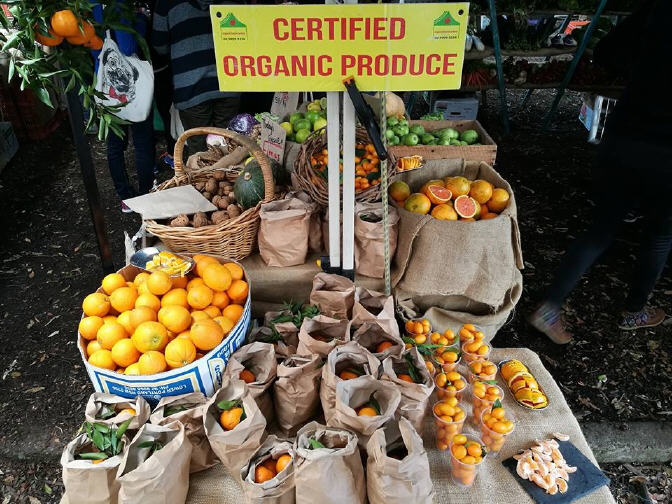
Unfortunately, going organic is not as easy as everyone might think. Apart from the marked difference in food flavor, organic food products are a lot pricier than their conventional counterparts. However, price point aside, going organic has been shown to have a myriad of benefits and advantages that it significantly outweighs the higher cost. After all, you really cannot put a price tag on your health. So, think of going organic as a long-term investment on a healthier lifestyle. In this regard, you can even see the greater price as an offset to exorbitant medical and clinical fees had you insisted to keep your conventional diet. If you had been contemplating of going organic for a while now, perhaps you should visit the Weekend Market in Manila and take a look at their organic offerings.
In any case, here are some of the excellent reasons why you should go organic:


You do not deal with chemicals

If you choose to organic, you will only be dealing with dirt—not chemicals. Of course, dirt is an inevitable consequence of having natural and organic food. However, while you might be able to wash the dirt off of conventional food, it is not enough to remove the waxy residue, chemicals and other pesticides that might have embedded themselves in your food. Conventional farming uses synthetic pesticides. Studies have shown that the consumption of such food can lead to chronic diseases and health conditions with long-term exposure.


Nutritionally Sound

A common misconception among consumers is that you get about the same amount of nutrients from food regardless of whether they are sourced organically or conventionally. However, studies have shown that organic food tends to deliver thirty percent more vitamins and nutrients than their conventional counterparts. This is because chemicals such as insecticides, fungicides and herbicides can block a plant’s ability to create nutrients.


Better Taste

If you have always believed that all food taste the same whether they are sourced conventionally or organically then prepare to have your mindset changed. Organic food items have been shown to be more flavorful than their organic counterparts because the latter does not have as much antioxidants. More importantly, higher levels of synthetic fertilizers in conventional sourcing of food compromises soil quality which can eventually stress the plant and significantly impact its resulting taste.


No to GMOs

Genetically modified organisms (GMOs for brevity) make up a huge fraction of the most common crops in the world today. Over the years, people have been encouraged to avoid GMO as research has heavily alluded to its potentially harmful effects. To ensure that you do not buy any GMO products, buy only organic.


Promote humane treatment of animals

More often than not, conventional livestock are sourced from farms that practice inhumane and confined conditions. More importantly, they are constantly pumped with synthetic hormones to increase production and keep up with the consumer demand. Unfortunately, these stressful conditions coupled with the inhuman treatment can cause a significant decline in the animal’s health and quality of life. Organically sourced products—while more expensive—have access to the outdoors and are kept in human treatment.


Friday, July 27, 2018

8 Reasons Why Organic Food is Worth The Hype


Are you worried about your health? How about your wellness and overall condition? Do you have an idea on how to take care of yourself?

One way of taking care of your body is by selecting the right food to eat. There are plenty of food sources in a weekend market, but you must be picky when buying your produce. You must select those that offer you the nutrients your body needs to function properly.

Lately, local food stalls and organic market Manila are becoming a popular destination. People prefer to purchase their food stock from these stores. Are they worth the hype? Are these stores worth the visit?

Read on to find if organic food is worth the hype.

1. The produce and livestock are naturally-grown. 


It is healthy and safe to eat organic food. Farmers use natural fertilizers to grow their produce. They also use naturally-derived pesticides to control pests. They use crop rotation, hand weeding, mulching and tilling to control weeds.

Meanwhile, animal raisers provide hormone and GMO (Genetically Modified Organisms also known bioengineered genes) -free feed to their livestock. They prevent diseases through natural methods. They place their livestock in clean houses and ensure the animals have a healthy diet. Most of all, the animals have access to the outdoors.

On the other hand, conventionally-grown produce has chemical fertilizers, pest control, and herbicides. Animal raisers inject growth hormones, antibiotics, and medications to their livestock.
They also provide GMO feed to the animals because it is cheaper compared to organic feed.

2. Organic farming methods reduce pollution.


All-natural farming methods keep the water clean. The run-off water won't contain poisonous and harmful pesticides that won't break down in water. Thus, there won't be chemical deposits into the soil and the waterbed of lakes, rivers, and oceans.

Organic farming methods also increase soil fertility. The absence of pesticides decreases soil contamination. It also maintains the soil's natural structure and acid level.

3. Consumption of organic produce saves the animals.


Organic farming and animal raising methods protect the environment. Consequently, it protects the animals. The natural farming and animal raising methods protect the animals' sources of food and habitat.

The lack of chemicals and pesticides in natural farming minimizes the degradation of the environment. It also educates people on the effects of consuming organic food. People begin to realize the long-term benefits of all-natural, sustainable agricultural methods as they support organic farms.

4. Organic food is fresh.


Most organic produce doesn't contain preservatives. You are sure of their quality because the stock is often available only in small farms where they are raised and grown.

5. It is safe to consume.


Conventional food produce often has hormones and pesticides. These chemicals are poisonous as they are designed to eliminate insects and pests that feed on the crops. At the same time, high levels of sex or growth hormones in animals can contribute to health complications in humans.

People exposed to high levels of these chemicals developing health complication. Pesticides, for instance, can result in neurological problems, infertility,  allergies, and skin problems. It can also cause diarrhea, nausea, and vomiting when ingested. Growth hormones contribute to early puberty in girls and development of different cancer types.

You are sure to be free of worries when you choose organic food since they do not contain artificial and harmful pesticides and GMO.

6. It is has a distinct taste.


Organic food preserves the natural taste of the produce. Since it has a limited shelf life, you can get the most out of its natural flavor.

Organic agricultural produce tastes better than conventional ones because of the quality of the soil. A well-balanced soil produces healthy, strong plants. The health of the plant contributes to the fruit's or the vegetable's outstanding flavors.

7. It is becoming affordable.


Though organic food is slightly more costly than conventional food, it is becoming readily available in the market. As people choose to consume and learn more about organic food, companies will try to meet the demand which will result in better, more competitive prices.

Government and business understand the need for quality and affordable organic food. They are sure to supply the market with quality organic produce once people pick up the trend of buying in co-ops and weekend markets around the city providing all-natural food.

8. It supports local farmers.


Most organic farmers are backyard growers and animal raisers. You can find some in your neighborhood if you live in a small town. If not, you can visit nearby towns or organic stores to discover one that sells the products you need.

When you prefer organic over conventional products, you support the local economy. The profit goes directly to the farmer instead of other channels of distribution. You also minimize costs for transportation and marketing.


These are eight of the compelling reasons why buying and consuming organic food is worth your time and health. Good health is an investment, so you need to discern your food sources. High-quality organic food provides the nutrients your body needs while saving the environment. Think of these benefits to get the most value when grocery shopping.


Image Source

Wednesday, July 11, 2018

10 Eco-Friendly Friendly Products for a Chic, Sustainable Lifestyle


Buying eco-friendly products is one way to save the Earth. These items are safe for the environment as they are either biodegradable or have a long staying power. They are also made of Earth-friendly material and are non-toxic. Several organic store Manila have these items to encourage consumers to spend and consume ethically.

1. Eco Bag

First, the average plastic bag takes 15 to a thousand years to decompose. It can clog landfills, pipes and damage bodies of water. Pieces of plastic are the most common cause of death of sea creatures as they resemble plankton or a jellyfish. The cost of recycling plastic is high, so most people dump them on the landfill.

An "eco bag" or reusable bags are made of cloth. The sewn bag is durable. It can carry more weight than a plastic bag. It also encourages quick bagging during checkout. Most, of all it is washable.

2. Metal Straws

According to the Pocholo Espina, the Chief Executive of Sip PH, "Straws are the third most pollutants you can find during coastal cleanups." Using a metal straw does not only reduce personal plastic consumption. It also reduces waste that goes into the ocean and other bodies of water.

There is the standard metal straight one, straw with a bend, and the "milk tea" straw for bubble teas. A set comes with a flexible brush with tiny bristles to clean the inside of the metal.

4. Mesh shopping bags

Mesh shopping bags are stylish. You must have one if you are an eco-warrior. The see-through produce bag is made of biodegradable cotton to keep you stylish while shopping for fruits, flea-market finds, and vegetables. Is a canvas bag is bulky, mesh shopping bags are a viable alternative.

5. Preloved Clothes

Fashion fades, but a person's style is eternal. Why not purchase old clothes from garage sales and online stores? Give life to the sellers old faves by dressing them up according to your own style.

There are several hidden gems when scouring consignment stores, bazaars and other local standees. Opt for these instead of the mass-produced products of the fast fashion industry.

6. Plants

Plants are free. Place a seed into the ground and voila! You have a  source of garnish, insect repellant or spice. Most of all, you have an oxygen factory and a toxin zapper.

Plants thrive in carbon dioxide and toxins from people, animals, vehicles, and other devices. They save other beings from lack of oxygen. They also prevent soil erosion. Plus, flowering plants beautify the area!

7. Bamboo Toothbrush

A bamboo toothbrush uses natural bamboo wood handle while its bristles are nylon infused with charcoal. The handle breaks down in eight months. Remove the brush using pliers to use the handle as compost. The brush is also BPA (bisphenol A - used to make plastics and resins) free! It is genuinely a double-duty product.

8. Konjac Sponge

A Konjac sponge is small and made of veggie fibers, but they are perfect for exfoliating the sensitive skin of the face. The sponge comes in pastel colors with the combination and natural infusions of bamboo, green tea, charcoal, and other biodegradable materials.

9. All-Natural Body Care Products

Choose organic, plant-based treatments for your hair, skin, and teeth. The body reacts to phytonutrients, especially when layering each product. Plant and herb treatments have actives that support our energy and the planet.

10. Wooden Spoons

Wooden Spoons are versatile, practical and they almost last for a lifetime. They are insulators. It minimizes burns and scalding accidents when cooking (and eating). It is durable. It can stir and scrape things without breaking. But, it's not hard enough to scratch non-stick pans and other surfaces.


Living an eco-friendly sustainable lifestyle should not be alienating. It should not only be for people who can afford it. It must be for everyone. Take your part to save the Earth. Try not to be wasteful or a waste contributor by using these products.


Image Source

Thursday, April 19, 2018

Simple Sustainable Living for the Non-Conformist


People are busy to go green. What's worse is that multi-billion companies are using the Green Movement to bolster their sales and make people think that they are on their side. Though the Green Movement sprung a hundred years ago, it's relevance to daily lifestyle remains. Industries continue to obliterate natural resources which are irreplaceable. The destruction ends up endangering human health and various ecosystems.

Different nations celebrated the first Earth Day on the 22nd of April, 1970. Its goal is to maintain an environment of decency, quality, and regard for all living creatures. To ensure environmental protection and consciousness, the Environmental Protection Agency (EPA) was created. On top of the agency are legislations pointing towards the negative impact of several profitable industries such as forestry, fisheries, mining, and manufacturing.

Why the Green Movement is Limited to Specific Groups

Being eco-friendly is beneficial to all yet people prefer not to go green. Even homeowner and renters who choose to live in a sustainable estate like Cloverleaf would dwell on the reasons not to go green. Every non-conformist know this while the public may not be aware of their choices as it became part of their daily life.

To shed light on this thinking, here are the top reasons why not everCloverleafyone is a follower of the Green agenda:

1. Most people don't have enough time. An average person spends 9-16 hours at work in Cloverleaf offices including travel time and sleeps for an average of 6-8 hours. That leaves them with 9 hours to take charge at home, run errands, bond with family, or do activities they are passionate. Unless sustainable living and being green is their passion, there is not enough time to think of the idea.

2. Some are not aware of the impact of individual actions. A mainstream consumer prioritizes their comfort over anything else. They don't think that minimizing usage of plastic bottles or straws can save the ocean and the planet that will house future generations. They can't see the big picture because they aren't conscious of the effects of their decisions. They won't give up their comfortable lifestyle and switch to eco-friendly alternatives just because they are accustomed to it.

3. Companies brainwash their consumers. Most consumer goods are either in plastic or not sustainably manufactured. Clothing and textiles use synthetiCloverleafc dyes and other chemicals to color and design their product. Supermarkets and groceries sell consumable goods in plastic containers or place them in a non-biodegradable bag. These stores also sell eco-bags which most consumers dump upon using them.

4. Organic and all natural products, as well as eco-friendly solutions, are expensive. Alternatives to mass-produced products have high prices because the supply is less than the demand. These products also have a high production cost as they often employ traditional methods of manufacturing.

There is an opposing side to everything even if the things or advocacy will benefit the people and its habitat. Group, companies, and other individuals will disagree with the Green Movement and do everything in their power to persuade the population to do the same. There are no right or wrongs as each person has their opinion on the matter. Some people choose to live sustainably, while others would instead stick with what's comfortable.

How a Non-Conformist Can Shift to Green Living


A non-conformist always has a choice. Thay can reflect on their current lifestyle to think about its long-term effects or stick to it and watch the planet decay. Change comes from a decision and being part of the Green Movement begins from the changes at home. There are several ways to include sustainability in a simple home living.

Below are some ways to become an eco-friendly homeowner:

1. Relocate to a mixed-use township like Cloverleaf in Quezon City or Arca South.

A mixed-use community has residential towers, commercial spaces for dining, shopping, and entertainment as well as establishments for healthcare and office complex. These types of township minimize carbon footprint as institutions and structures are within reach. People's needs are within walking distance. Hence, there's no need to use a vehicle to get to the area.

2. Patronize homegrown brands.

Locally-manufactured furniture and home accessories, town specialties and other native products are examples of items within the country. These brands acquire their materials within their location. Therefore, they burn less gasoline over imported ones. The same goes for pieces of clothing and quick bites. The ECOlta Fair at Escolta features brands with innovative products such as The Real Happy Cow, Indayog, and A Beautiful Refuge.

3. Decorate with purpose.

Fill a room with greens instead of synthetics or plastic decor. A plant is exciting and challenging to have for its needs and benefits. It cleanses the air in the area as it absorbs toxins and releases carbon dioxide. To minimize the hassle of maintaining a plant, choose one which doesn't require regular watering and steady source of sunlight. Some indoor plants can survive without weeks of watering.

Besides plants, bedsheets, pillowcases, cushions, and fabric shower curtains are some of the functional home items which make a statement. Go for one hundred percent organic cotton when shopping for these pieces. The material uses water-based dyes.

4. Use all-natural hygiene and cosmetic products.

Soap, shampoos, conditioners, and lotions from store shelves all contain chemicals to preserve and enhance their performance. Unfortunately, exposure to these compounds results in a negative impact on people's health in the long run. All-natural products use plant-based materials and other organic compounds. These goods are less likely to produce skin reactions because of their mild ingredients. However, they may have a short shelf life as they lack preservatives.

5. Modify the features of your home.

Install a low flat toilet for less gallon per flush consumption. Use LED (light-emitting diode) or CFL (compact fluorescent lamps) to reduce heat and energy. Insulate your home using borate-treated newspapers (a combination of oxygen and boron which is fire-retardant). Plant tall trees to have a shield from UV rays. Place programmable thermostats, so the air-condition runs only at the designated temperature.

These five steps to sustainable living don't mean becoming a blind conformist. Freedom to choose is still with people. It's up to them to decide how to accept the benefits of the challenge of living in green.

Note: This article was originally published on July 7, 2014 as "Making Your Home More Green." It was revised and updated to increase public awareness on the impact of their collective actions.

Friday, March 18, 2016

Rebuild Forests with Plantable Coffee Cup


We all love coffee. Period.

What we don’t like is the fact that each coffee cup we use contributes to the pile of waste in landfills. Americans are the leading coffee drinkers worldwide, consuming up to 400 million cups daily (or 146 billion cups annually).

Buying a coffee contained in a disposable cup means contributing to about 23 lbs. of waste every year. Not to mention, Styrofoam is not an entirely recyclable material it’ll be in the landfills for over 500 years.

Sure, merchants can introduce recyclable cups. But, are these enough? Will these be able to reduce the amount of Styro cups in the landfills? No, more so since recyclable cups can only be used three times before they end up in wastelands as well.

Here comes the good news – plantable coffee cups!

A Kickstarter project, spearheaded by an eco-startup in San Luis Obispo, aims to turn your coffee cups into trees. Dubbed as ‘The World’s First Plantable Coffee Cup,’ Reduce. Reuse. Grow., the brains behind the project, wants to manufacture paper cups embedded with native seeds. You simply need to soak the cup in water for 5 minutes and plant it afterward.

The best part is, the cup may contain seeds that are native to a particular region, avoiding the existence of invasive plants in the process. You need not attend a tree planting Philippines event to know how to plant the cups. Instructions on how to plant the paper are detailed at the bottom of the cup, too.

Coffee drinkers may plant the cups themselves in their backyards or a local park. They may also place them on Reduce. Reuse. Grow.-marked trash bins, which will be then transferred to specific reforestation locations.

Alternatively, a third-party organization may collect the cups and plant them for local reforestation initiatives; a more appropriate move since producing these containers involves mowing down of trees. Don’t worry if the cups are thrown away because they are 100% biodegradable; these can be completely biodegraded in just 180 days.

The coffee cups are currently in the prototype form. The project will come to fruition once it reached the $10,000 goal. As of this writing, nonetheless, the project had already garnered more than $21,000. The cups will be delivered to local coffee shops. Each cup will cost about $.02 per cup.

Plantable is not such a new idea. In fact, there are plantable wedding invitations, plantable greeting cards, and plantable gift wrappers. There are also plantable pencils, courtesy of Sprout.

Apparently, this project is a perfect way to tackle the problem that haunts the worldwide coffee industry while breathing new life to trees. And the compostable coffee cup is just the starting point as there are many other seed-filling opportunities.

Let’s drink to that!

Healthy Lifestyles: Five Compelling Reasons to Go Organic

“To keep the body in good health is a duty…otherwise we shall not be able to keep our mind strong and clear.” –Gautama Buddha Hav...